
iPSC Research
iPSCs: Revolutionizing Disease Modeling, Drug Discovery, and Regenerative Medicine
Shinya Yamanaka’s groundbreaking work on induced pluripotent stem cells (iPSCs) involved identifying a specific set of genes that could reprogram adult cells back into a pluripotent state. The genes initially used by Yamanaka were Oct3/4, Sox2, Klf4, and c-Myc, collectively known as the Yamanaka factors. Later research demonstrated that other combinations of genes could also induce pluripotency, but the original combination proved to be the most effective.
Unveiling the Reprogramming Roles: A Gene Overview
Oct3/4 (Octamer-binding transcription factor 3/4): Oct3/4 is a transcription factor essential for maintaining pluripotency in embryonic stem cells. It regulates the expression of genes involved in self-renewal and pluripotency and is crucial for reprogramming adult cells into a pluripotent state.
Sox2 (SRY (sex-determining region Y)-box 2): Sox2 is another transcription factor involved in maintaining pluripotency and self-renewal in embryonic stem cells. It interacts with Oct3/4 to regulate the expression of pluripotency-associated genes and plays a key role in reprogramming adult cells to an embryonic-like state.
Klf4 (Kruppel-like factor 4): Klf4 is a transcription factor that regulates various cellular processes, including proliferation, differentiation, and pluripotency. It functions in conjunction with Oct3/4 and Sox2 to reprogram adult cells into iPSCs.
c-Myc (cellular Myelocytomatosis oncogene): c-Myc is a proto-oncogene involved in the regulation of cell proliferation, growth, and apoptosis. Its role in reprogramming is to enhance the efficiency of iPSC generation, although its overexpression can also increase the risk of tumorigenesis.
These four transcription factors were introduced into adult somatic cells, such as fibroblasts, using viral vectors. Their expression led to the activation of pluripotency-associated genes and the induction of a pluripotent state resembling that of embryonic stem cells. Yamanaka’s discovery of these factors paved the way for the generation of patient-specific iPSCs, offering new possibilities for disease modeling, drug discovery, and regenerative medicine.
-
iPSC Generation Service (Episomal) with Teratoma Formation
Cat.-Nr: ASC-6023T
iPSC Generation is a complex process that reprograms adult somatic cells into a pluripotent, embryonic stem cell-like stage. This requires extensive... Read More
-
iPSC Generation Service (mRNA)
Cat.-Nr: ASC-6022
iPSC Generation is a complex process that reprograms adult somatic cells into a pluripotent, embryonic stem cell-like stage. This requires extensive... Read More
-
iPSC Generation Service (mRNA) with Embryoid Body Formation
Cat.-Nr: ASC-6022E
iPSC Generation is a complex process that reprograms adult somatic cells into a pluripotent, embryonic stem cell-like stage. This requires extensive... Read More
-
iPSC Generation Service (mRNA) with Teratoma Formation
Cat.-Nr: ASC-6022T
iPSC Generation is a complex process that reprograms adult somatic cells into a pluripotent, embryonic stem cell-like stage. This requires extensive... Read More
-
iPSC-derived Astrocyte Kit
Cat.-Nr: ILC-2003
Human iPSC-Derived Astrocytes for Neuroscience Research and Disease Modeling Human iPSC-derived astrocytes (iAstrocytes) provide a physiologically... Read More
-
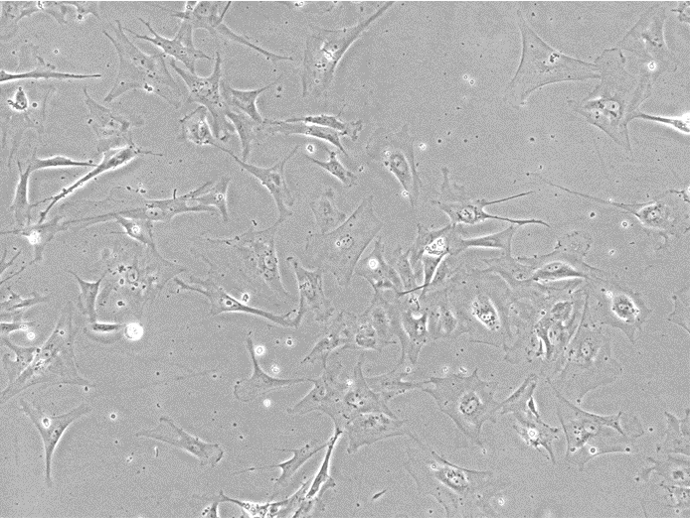
iPSC-derived Astrocytes with Medium
Cat.-Nr: ASE-9743
iPSC-derived Astrocytes with Media Applied StemCell has developed an efficient, integration-free, small-molecule-based method to differentiate... Read More
-
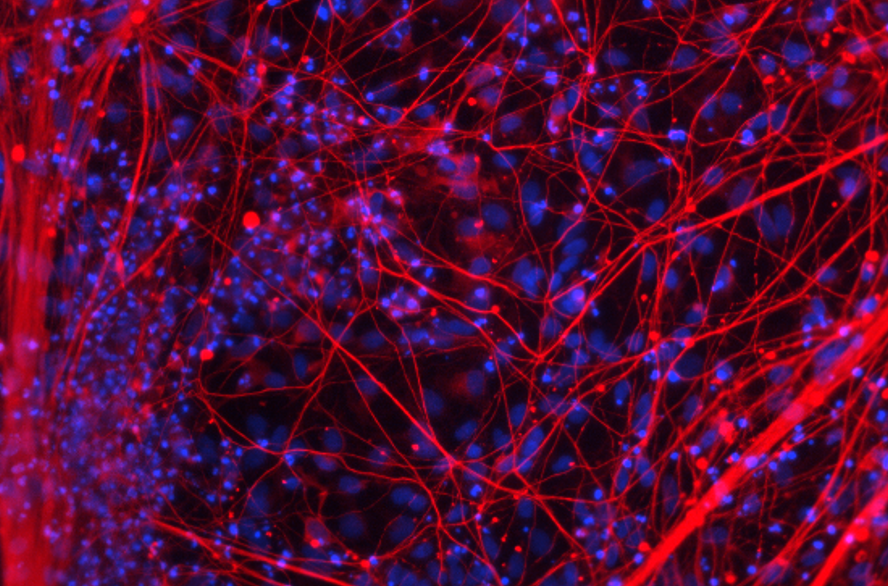
iPSC-derived Cortical Neurons with Media
Cat.-Nr: ASE-9741
Applied StemCell has developed an efficient integration-free method to differentiate high-quality cortical neurons from human iPSCs. The... Read More
-
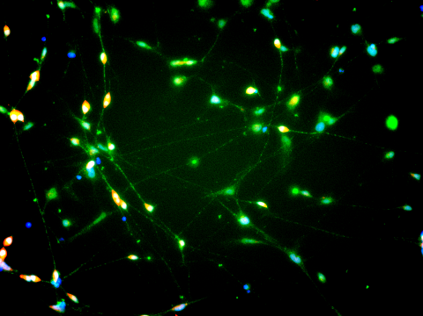
iPSC-derived Dopaminergic Neurons with Media
Cat.-Nr: ASE-9742
iPSC-derived Dopaminergic Neurons with Media Applied StemCell has developed an efficient, integration-free, small-molecule-based method to... Read More
-
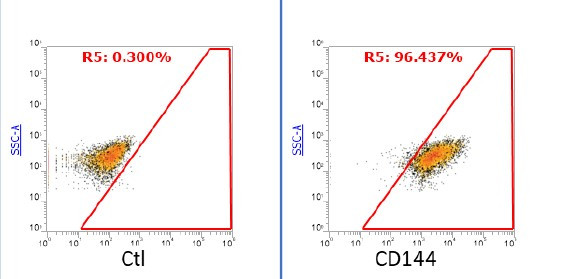
iPSC-derived Endothelial Cells with Media
Cat.-Nr: ASE-9744
Applied StemCell has developed an efficient, integration-free, small-molecule-based method to differentiate high-quality endothelial cells from... Read More
-
iPSC-derived Human Cardiomyocyte Kit
Cat.-Nr: ILC-2005
Human iPSC-Derived Cardiomyocytes for Cardiac Research and Drug Discovery Human iPSC-derived cardiomyocytes provide a physiologically relevant in... Read More
-
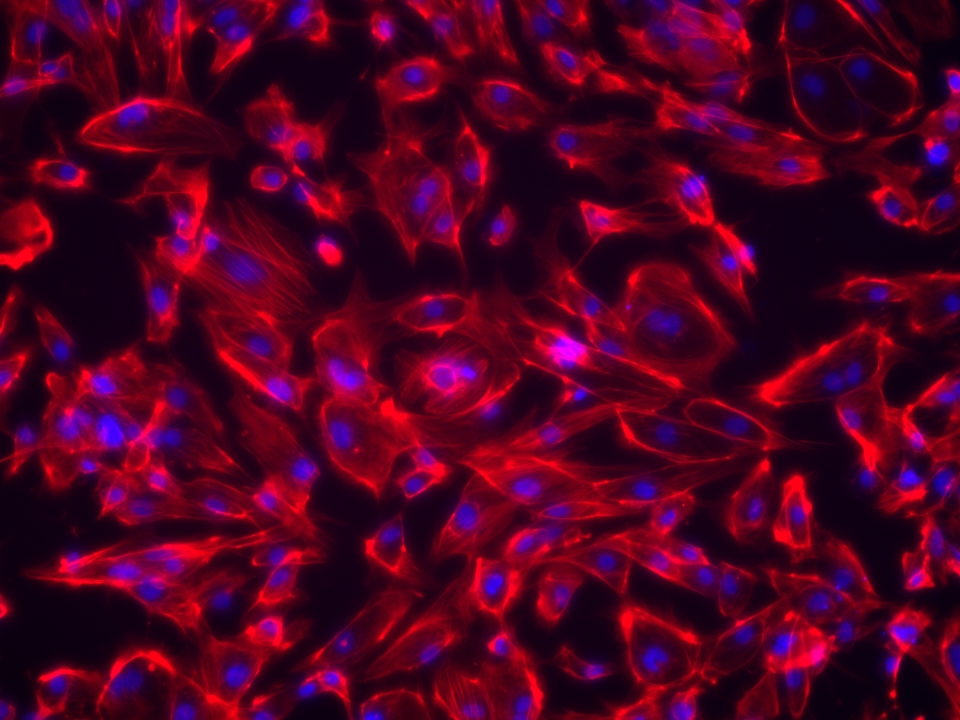
iPSC-derived Human Cardiomyocytes with Media
Cat.-Nr: ASE-9703
Applied StemCell has developed an efficient integration-free, small molecule-based method to differentiate high-quality cardiomyocytes from human... Read More
-
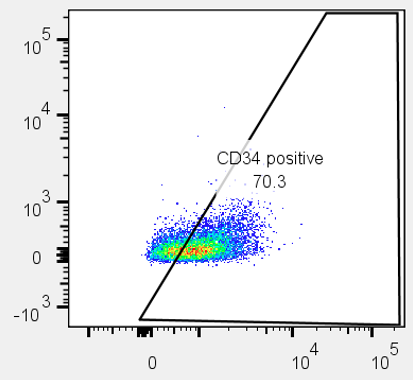
iPSC-Derived Human Hematopoietic Progenitor Cells with Media
Cat.-Nr: ASE-9718
Applied StemCell has developed an efficient integration-free, small molecule-based method to differentiate high-quality hematopoietic... Read More
-
iPSC-Derived Human Hematopoietic Stem Cell (HSC) Kit
Cat.-Nr: ILC-2006
Human iPSC-Derived Hematopoietic Stem Cells for Immunology and Disease Research Human iPSC-derived hematopoietic stem cells (iHSCs)... Read More
-
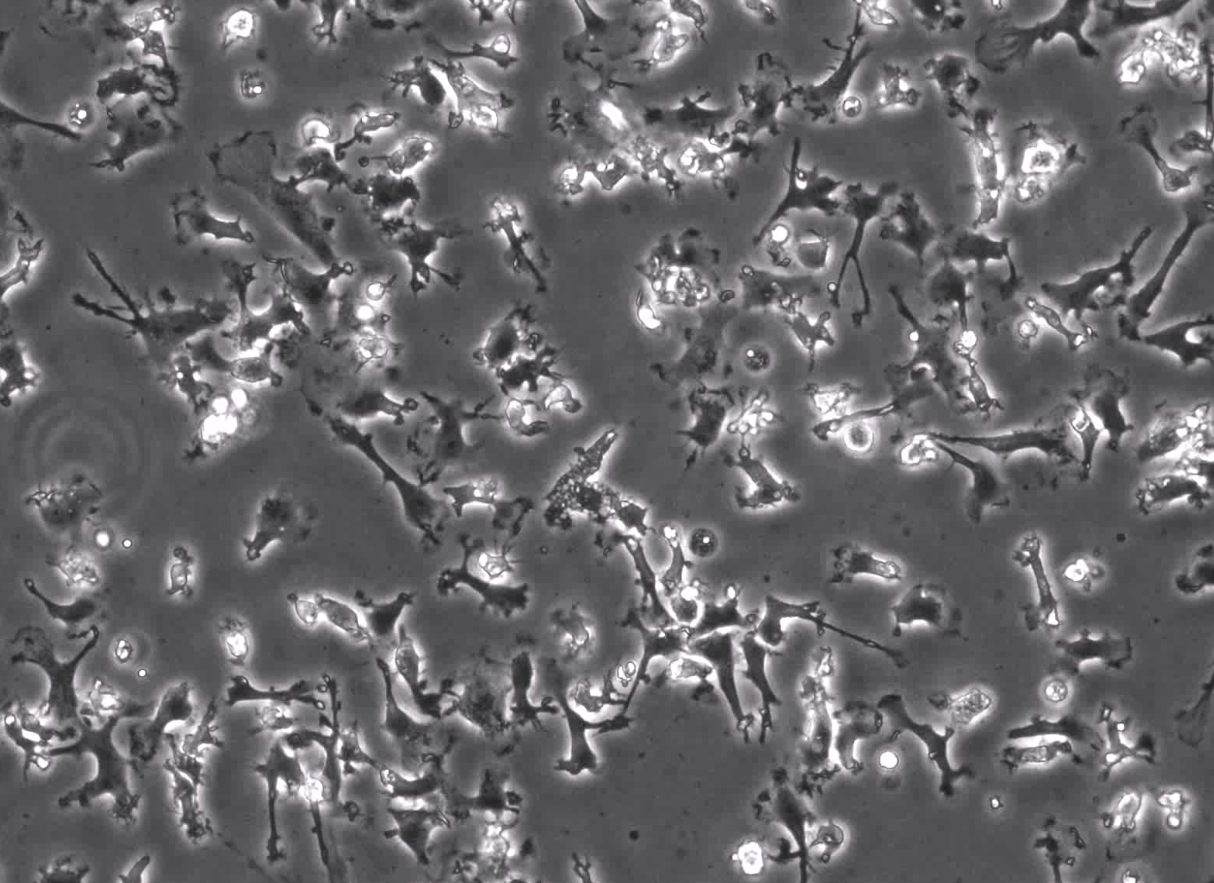
iPSC-derived Human Microglia (iMGLs) with Media
Cat.-Nr: ASE-9601
Microglia are the primary immune cells in the central nervous system (CNS) and they play a crucial role in maintaining neuronal homeostasis and... Read More
-
iPSC-derived Human Microglia (MGLs) Kit
Cat.-Nr: ILC-2008
Human iPSC-Derived Microglia for Neuroimmunology and Neurodegenerative Disease Research Human iPSC-derived microglia (iMGLs) provide a... Read More
-
iPSC-derived Human Motor Neuron Kit
Cat.-Nr: ILC-2007
Human iPSC-Derived Motor Neurons for Neuromuscular Research and Disease Modeling Human iPSC-derived motor neurons (iMNs) provide a... Read More
-
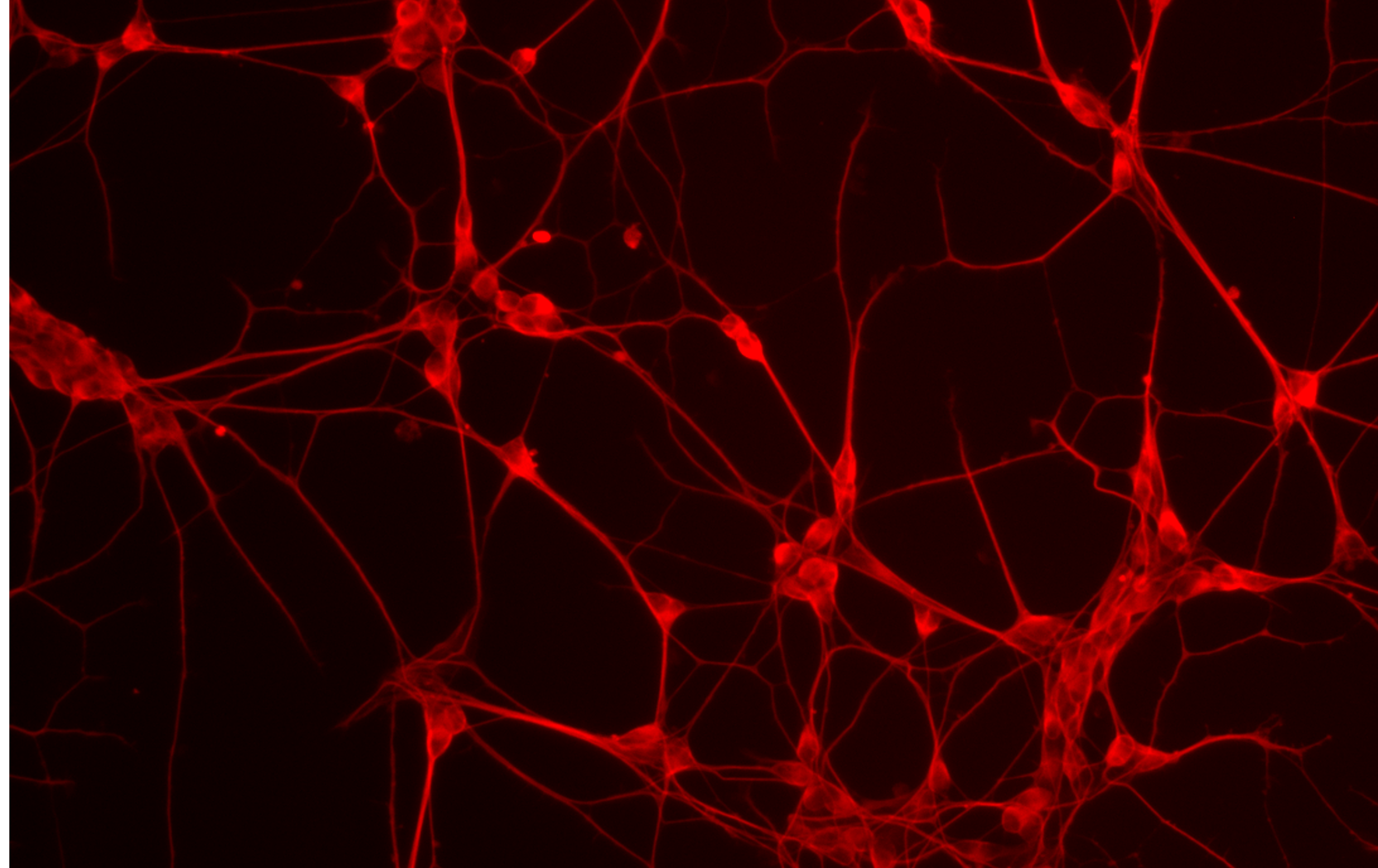
iPSC-derived Human Motor Neurons with Media
Cat.-Nr: ASE-9701
Motor neurons (MN) are specialized neurons originating from the spinal cord, responsible for integrating signals from the brain and the muscles to... Read More
-
iPSC-derived Human Neural Progenitor Cell (NPC) Kit
Cat.-Nr: ILC-2002
Human iPSC-Derived Neural Progenitor Cells for Neuroscience Research and Disease Modeling Human iPSC-derived neural progenitor cells (NPCs)... Read More
-
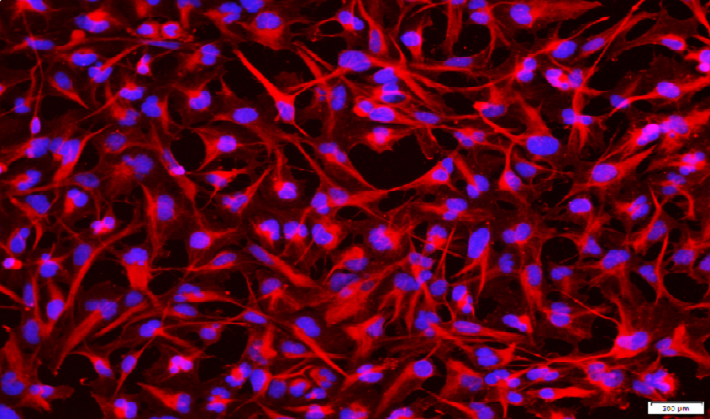
iPSC-derived Human Neural Progenitor Cells with Media
Cat.-Nr: ASE-9740
Applied StemCell has developed an efficient integration-free method to differentiate high-quality neural progenitor cells (NPCs) from human iPSCs.... Read More
-

iPSC-derived Human Neural Stem Cells (NSC)
Cat.-Nr: IC-0001
iPSC-derived Human Neural Stem Cells, Male, provide an ideal culture model for the study of multipotent stem cell biology. Induced Pluripotent... Read More
-
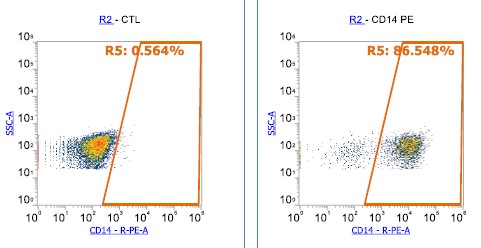
iPSC-derived Monocytes with Media
Cat.-Nr: ASE-9745
Applied StemCell has developed an efficient, integration-free, small-molecule-based method to differentiate high-quality monocytes from human... Read More
-
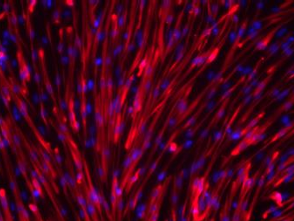
iPSC-derived Myoblast Kit
Cat.-Nr: ILC-2004
iPSC-Derived Myoblasts provide a renewable, standardized, and physiologically relevant model for skeletal muscle research. Generated from... Read More
-
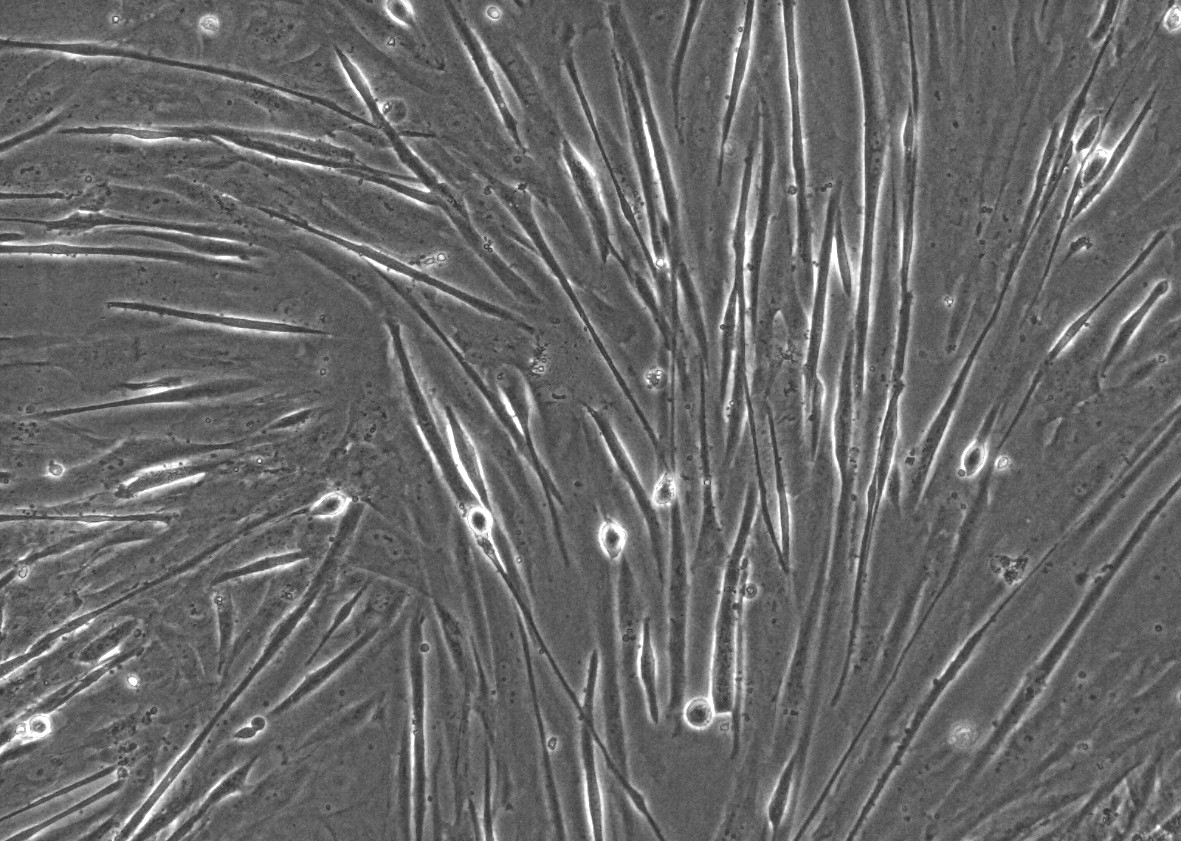
iPSC-derived Myoblasts with Media
Cat.-Nr: ASE-9706
Applied StemCell has developed an efficient integration-free method to differentiate high-quality myoblasts from human iPSCs, with further... Read More
-
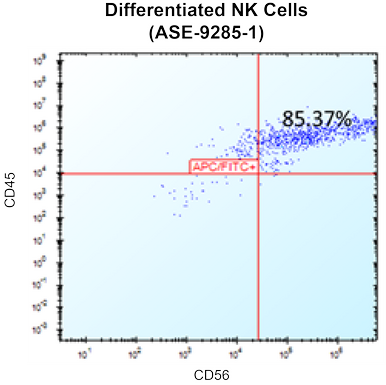
iPSC-Derived Natural Killer (NK) Cells with Media
Cat.-Nr: ASE-9285
Applied StemCell has developed an efficient integration-free, small molecule-based method to differentiate high-quality natural killer (NK)... Read More
-
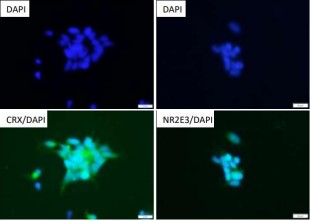
iPSC-derived Photoreceptor Progenitor Cells with Media
Cat.-Nr: ASE-9715
Applied StemCell has developed an efficient integration-free, small molecule-based method to differentiate high-quality retinal pigment epithelium... Read More
-
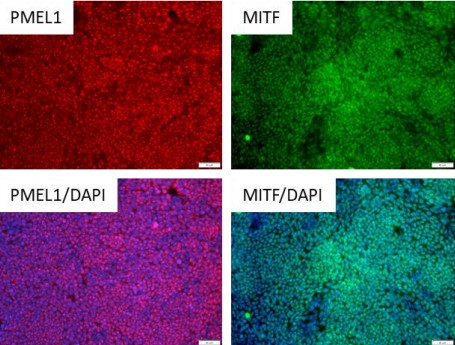
iPSC-derived Retinal Pigment Epithelium (RPE) Cells with Media
Cat.-Nr: ASE-9710
Applied StemCell has developed an efficient integration-free, small molecule-based method to differentiate high-quality retinal pigment epithelium... Read More
-
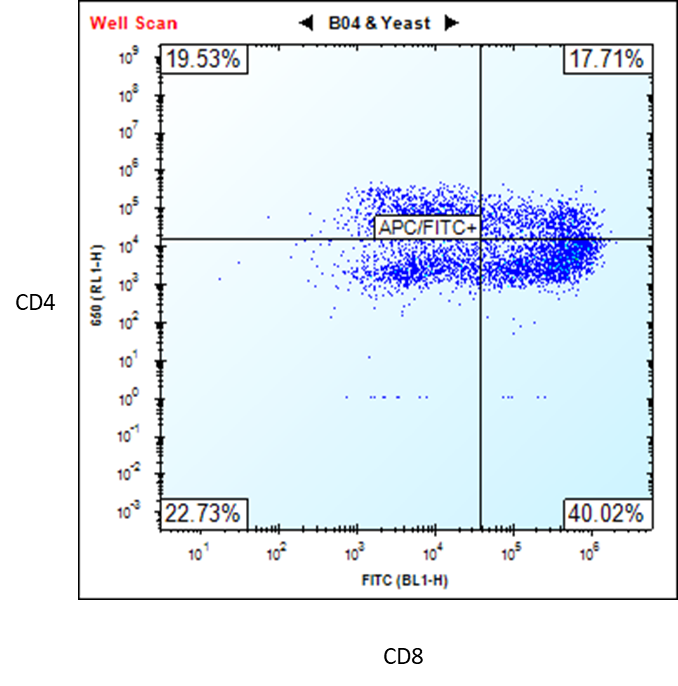
iPSC-derived T Cells with Media
Cat.-Nr: ASE-9720
Applied StemCell has developed an efficient, integration-free, small molecule-based method to differentiate high-quality T cells from human... Read More
-
-
Motor Neurons Differentiation Service from iPSC
Cat.-Nr: ASC-8001M
Motor Neuron Differentiation Service from iPSCs. We will differentiate your iPSC line by using our proprietary induction protocol.
-
Natural Killer (NK) Cell Differentiation Service from iPSC
Cat.-Nr: ASC-8018
Applied StemCell is a leader in iPSC technologies and applies established protocols for the differentiation to a specific celltype.
-
Neo-resistant MEF Feeder Cells, P3, Mitomycin C Treated (16M)
Cat.-Nr: ASF-1126
Neo-resistant MEF Feeder Cells, P3, Mitomycin-C (MMC), are derived from mouse embryos and are resistant to neomycin. These are used as feeder layers... Read More
-
Neo-resistant MEF Feeder Cells, P3, Mitomycin C Treated (2M)
Cat.-Nr: ASF-1125
Neo-resistant MEF Feeder Cells, P3, Mitomycin-C (MMC), are derived from mouse embryos and are resistant to neomycin. These are used as feeder layers... Read More
-
Neo-resistant MEF Feeder Cells, P3, Mitomycin C Treated (4M)
Cat.-Nr: ASF-1123
Neo-resistant MEF Feeder Cells, P3, Mitomycin-C (MMC), are derived from mouse embryos and are resistant to neomycin. These are used as feeder layers... Read More
-
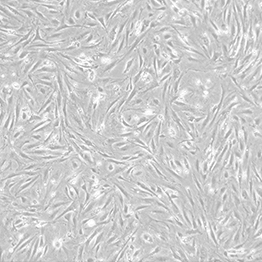
Neo-resistant MEF, P2, untreated (1M)
Cat.-Nr: ASF-1101
Neo-resistant MEF Feeder Cells, P2, untreated, are derived from mouse embryos and are resistant to neomycin. These are used as feeder layers to... Read More
-
Neo-resistant MEF, P2, untreated (3M)
Cat.-Nr: ASF-1102
Neo-resistant MEF Feeder Cells, P2, untreated, are derived from mouse embryos and are resistant to neomycin. These are used as feeder layers to... Read More
-
Neo-resistant MEF, P3, irradiated (16M)
Cat.-Nr: ASF-1116
Neo-resistant MEF Feeder Cells, P3, irradiated, are derived from mouse embryos and are resistant to neomycin. These are used as feeder layers to... Read More
-
Neo-resistant MEF, P3, irradiated (20M)
Cat.-Nr: ASF-1114
Neo-resistant MEF Feeder Cells, P3, irradiated, are derived from mouse embryos and are resistant to neomycin. These are used as feeder layers to... Read More
-
Neo-resistant MEF, P3, irradiated (2M)
Cat.-Nr: ASF-1115
Neo-resistant MEF Feeder Cells, P3, irradiated, are derived from mouse embryos and are resistant to neomycin. These are used as feeder layers to... Read More
-
Neo-resistant MEF, P3, irradiated (4M)
Cat.-Nr: ASF-1113
Neo-resistant MEF Feeder Cells, P3, irradiated, are derived from mouse embryos and are resistant to neomycin. These are used as feeder layers to... Read More
-
Neo-resistant MEF, P3, Mitomycin C Treated (20M)
Cat.-Nr: ASF-1124
Neo-resistant MEF Feeder Cells, P3, Mitomycin-C (MMC), are derived from mouse embryos and are resistant to neomycin. These are used as feeder layers... Read More
-
Neural Stem Cells (NSCs) Differentiation Service from iPSC
Cat.-Nr: ASC-8001
Neural Stem Cells Differentiation Service. We will differentiate your iPSC line into neural progenitor cells (NSCs) by using our proprietary... Read More
-
Oligodendrocytes Differentiation Service from iPSC
Cat.-Nr: ASC-8004
Applied StemCell is a leader in iPSC technologies and applies established protocols for the differentiation to a specific celltype.
-
Retinal Pigment Epithelium (RPE) Differentiation Service from iPSC
Cat.-Nr: ASC-8010
Applied StemCell is a leader in iPSC technologies and applies established protocols for the differentiation to a specific celltype.
-
Skeletal Muscle Differentiation Service from iPSC
Cat.-Nr: ASC-8013
Applied StemCell is a leader in iPSC technologies and applies established protocols for the differentiation to a specific celltype.
-
SNL 76/7 feeders, STO cell line, P12, untreated (2M)
Cat.-Nr: ASF-1305
Mouse embryonic stem cells (ESCs) and induce pluripotent stem cells (iPSCs) generally require culture on feeder cells as well as medium containing... Read More
-
SNL Feeder Cells 76/7 Mouse Fibroblast STO Cell Line, P14, Mitomycin C Treated (5M)
Cat.-Nr: ASF-1327
Mouse embryonic stem cells (ESCs) and induced pluripotent stem cells (iPSCs) generally require culture on feeder cells as well as medium... Read More
-
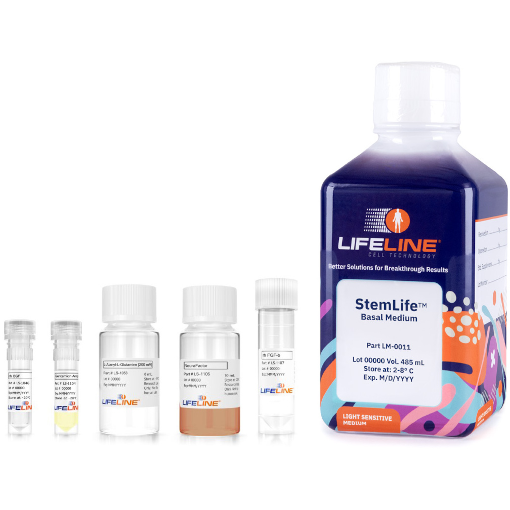
StemLife NSC Complete Kit
Cat.-Nr: LL-0070
StemLife NSC Medium Complete Kit is optimized for the culture of human induced pluripotent stem cell-derived Neural Stem Cells (NSCs): XCL-1 NSC and... Read More
-
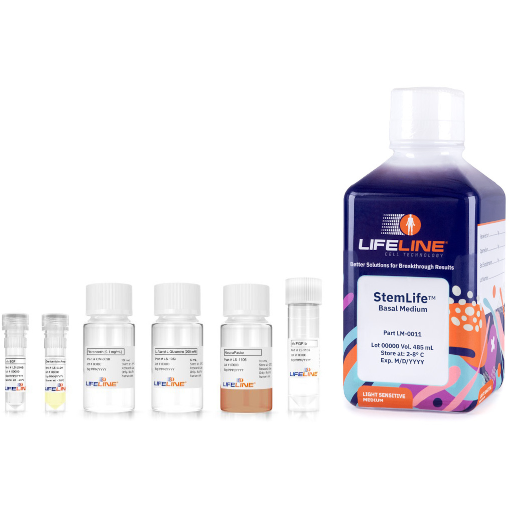
StemLife NSC Complete Kit w/Fibronectin
Cat.-Nr: LL-0073
Lifeline® new StemLife NSC Medium Complete Kit + Fibronectin Solution is optimized for the culture of Human Induced Pluripotent Stem Cell-Derived... Read More
-

StemLife NSC LifeFactors Kit
Cat.-Nr: LS-1105
StemLife NSC LifeFactors® Kit is for use with Lifeline® StemLife Basal Medium and Human Induced Pluripotent Neural Stem Cells. The StemLife NSC... Read More
-
TARGATT™ CHO-K1 Knock-in Kit (H11)
Cat.-Nr: AST-1420
The TARGATT™ CHO-K1 Knock-in Kit (H11) is designed for fast and site-specific knock-in in Chinese Hamster Ovary (CHO) cells with an easy-to-use... Read More