
iPSC-derived Cells
induced Pluripotent Stem Cells (iPSCs)
Induced pluripotent stem cells (iPSCs) are a type of stem cell that are generated from adult cells, such as skin cells or blood cells, through a process called reprogramming. iPSCs possess the remarkable ability to differentiate into various cell types found in the body, including neurons, cardiomyocytes, hepatocytes, and more. These differentiated cells, derived from iPSCs, are referred to as iPSC-derived cells.
iPSC-derived cells have significant potential in biomedical research and regenerative medicine
iPSC-derived cells are of great interest in research due to their ability to model human biology, providing a versatile platform for:
- Disease Modeling: iPSC-derived cells can be generated from individuals with specific genetic disorders or diseases, allowing researchers to model disease processes in vitro. By studying how these cells behave in culture, scientists can gain insights into disease mechanisms, identify therapeutic targets, and screen potential drugs for efficacy.
- Drug Discovery and Toxicity Testing: iPSC-derived cells provide a platform for screening potential drug candidates and assessing their safety and efficacy. These cells can be used to evaluate drug responses in a more physiologically relevant context, potentially reducing the reliance on animal models and improving the predictability of preclinical studies.
- Cell Replacement Therapy: iPSC-derived cells hold promise for cell replacement therapies aimed at treating a wide range of diseases and injuries. For example, iPSC-derived cardiomyocytes could be used to repair damaged heart tissue in patients with heart disease, while iPSC-derived neurons could be transplanted to restore function in individuals with neurodegenerative disorders like Parkinson’s disease.
- Personalized Medicine: iPSC technology enables the generation of patient-specific cells, allowing for personalized approaches to treatment and drug development. By creating iPSC-derived cells from individuals with specific genetic backgrounds or disease phenotypes, clinicians can tailor therapies to the unique needs of each patient.
- Basic Research: iPSC-derived cells serve as valuable tools for studying basic biological processes, such as development, differentiation, and cell signaling. These cells provide a renewable and scalable source of human cells for experimentation, enabling researchers to address fundamental questions in biology and medicine.
Overall, iPSC-derived cells have revolutionized the field of regenerative medicine and biomedical research, offering new opportunities for understanding disease mechanisms, developing novel therapies, and advancing personalized medicine approaches.
-
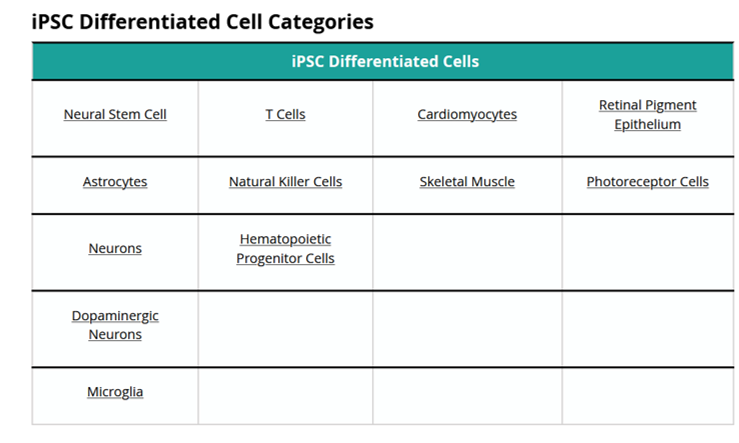
iPSC Differentiated Cells - Overview
Cat.-Nr: ASC-0001C
High-Quality iPSC-Derived Cells with Media for Reliable Research Applied StemCell produces fully characterized progenitors and differentiated cells... Read More
-
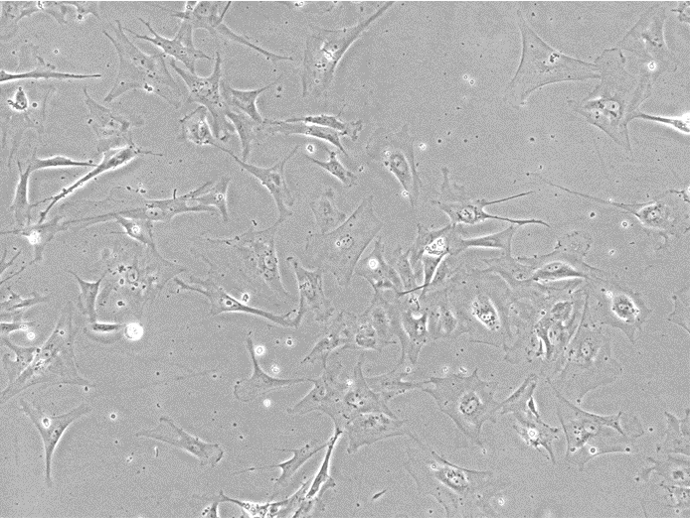
iPSC-derived Astrocytes with Medium
Cat.-Nr: ASE-9743
iPSC-derived Astrocytes with Media Applied StemCell has developed an efficient, integration-free, small-molecule-based method to differentiate... Read More
-
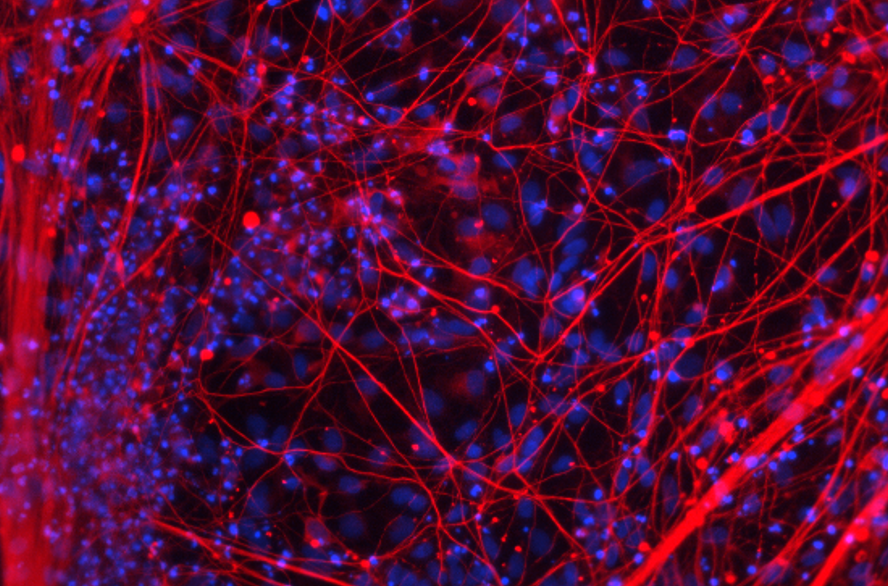
iPSC-derived Cortical Neurons with Media
Cat.-Nr: ASE-9741
Applied StemCell has developed an efficient integration-free method to differentiate high-quality cortical neurons from human iPSCs. The... Read More
-
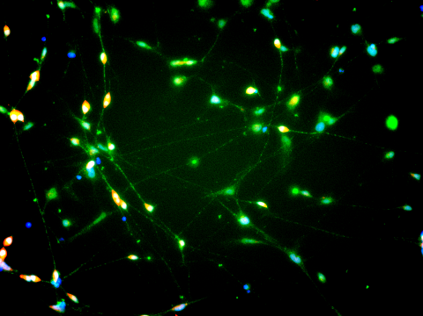
iPSC-derived Dopaminergic Neurons with Media
Cat.-Nr: ASE-9742
iPSC-derived Dopaminergic Neurons with Media Applied StemCell has developed an efficient, integration-free, small-molecule-based method to... Read More
-
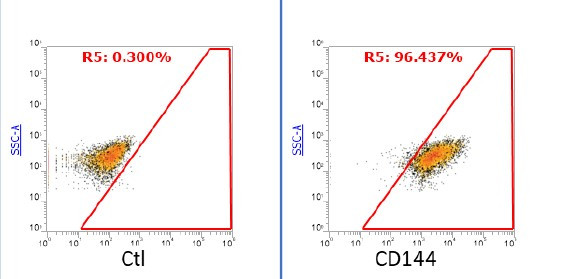
iPSC-derived Endothelial Cells with Media
Cat.-Nr: ASE-9744
Applied StemCell has developed an efficient, integration-free, small-molecule-based method to differentiate high-quality endothelial cells from... Read More
-
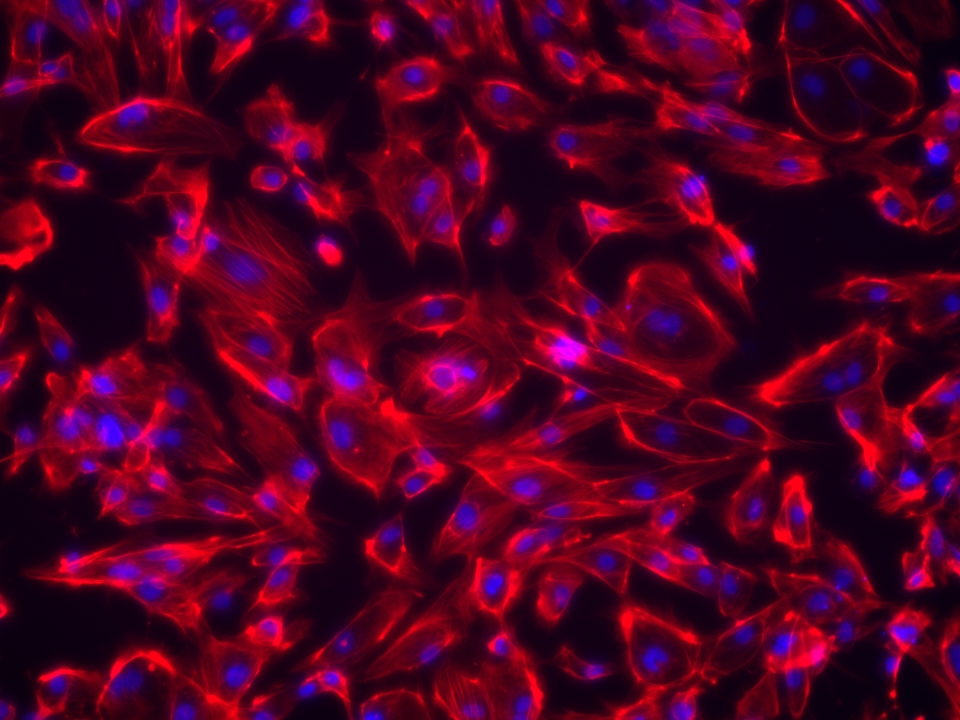
iPSC-derived Human Cardiomyocytes with Media
Cat.-Nr: ASE-9703
Applied StemCell has developed an efficient integration-free, small molecule-based method to differentiate high-quality cardiomyocytes from human... Read More
-
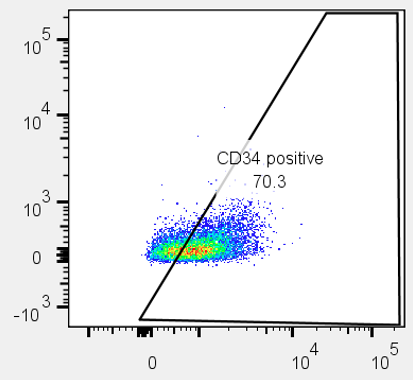
iPSC-Derived Human Hematopoietic Progenitor Cells with Media
Cat.-Nr: ASE-9718
Applied StemCell has developed an efficient integration-free, small molecule-based method to differentiate high-quality hematopoietic... Read More
-
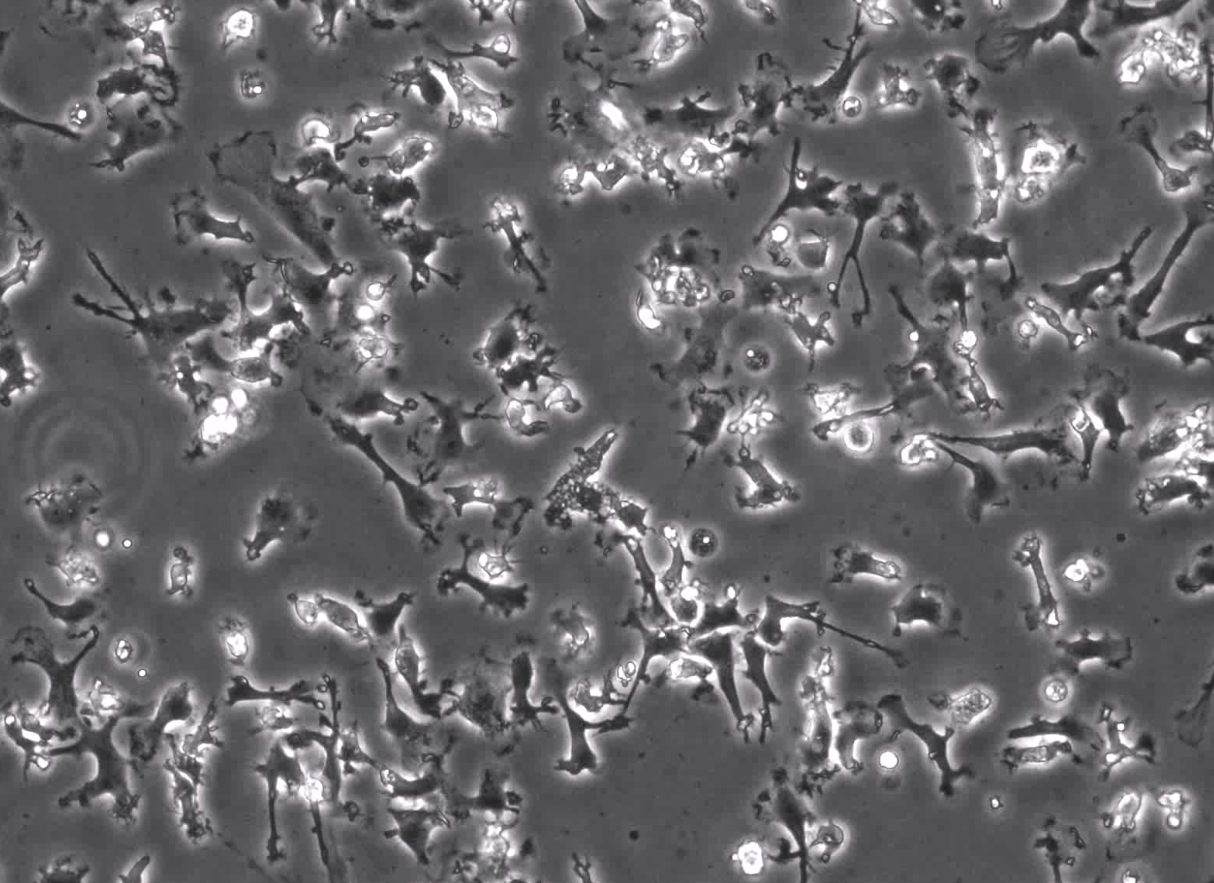
iPSC-derived Human Microglia (iMGLs) with Media
Cat.-Nr: ASE-9601
Microglia are the primary immune cells in the central nervous system (CNS) and they play a crucial role in maintaining neuronal homeostasis and... Read More
-
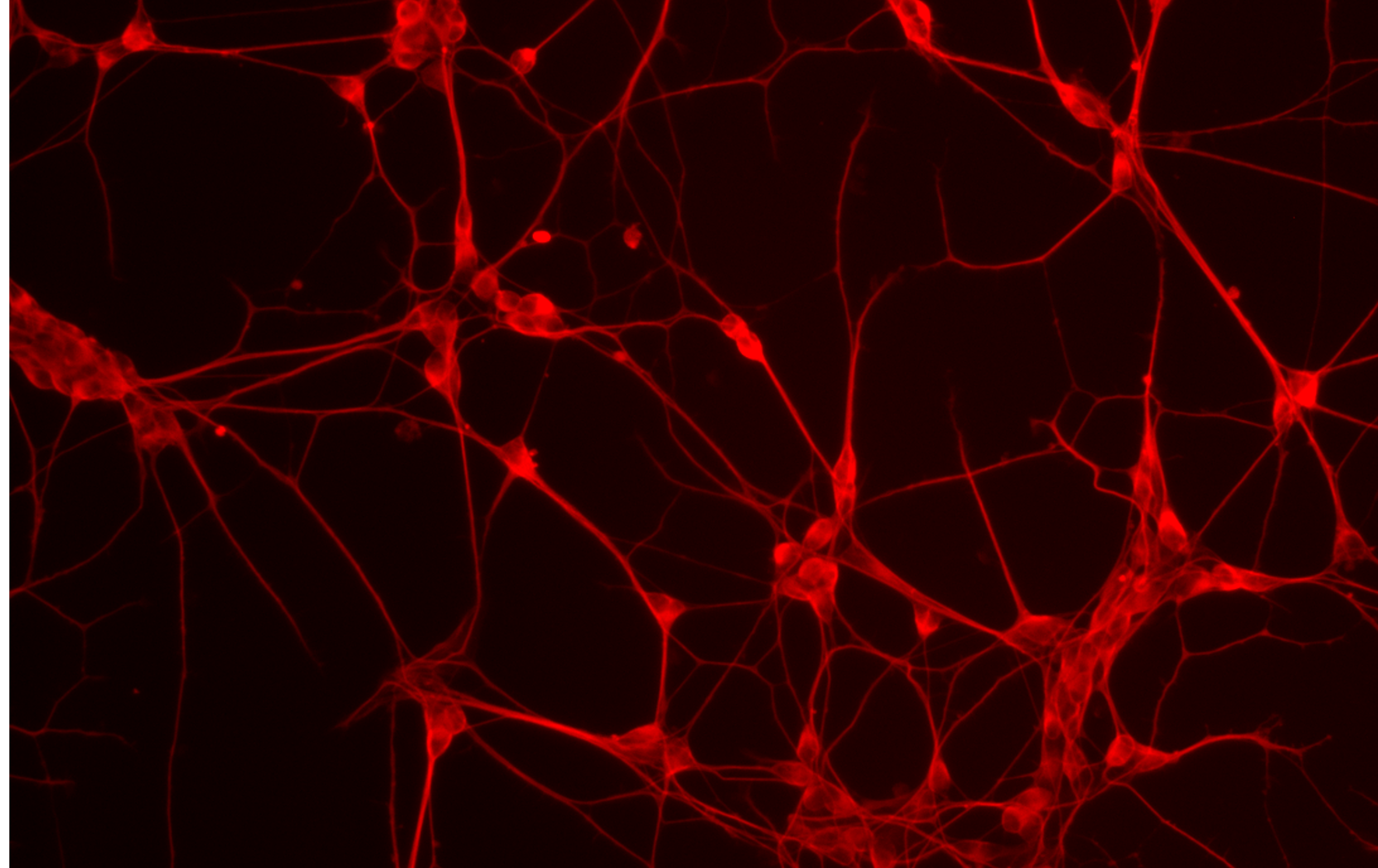
iPSC-derived Human Motor Neurons with Media
Cat.-Nr: ASE-9701
Motor neurons (MN) are specialized neurons originating from the spinal cord, responsible for integrating signals from the brain and the muscles to... Read More
-
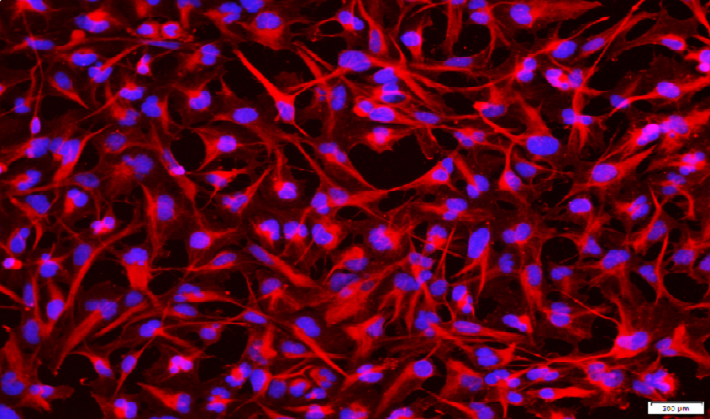
iPSC-derived Human Neural Progenitor Cells with Media
Cat.-Nr: ASE-9740
Applied StemCell has developed an efficient integration-free method to differentiate high-quality neural progenitor cells (NPCs) from human iPSCs.... Read More
-
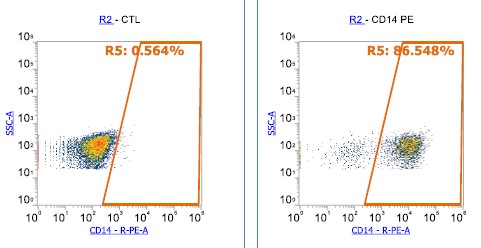
iPSC-derived Monocytes with Media
Cat.-Nr: ASE-9745
Applied StemCell has developed an efficient, integration-free, small-molecule-based method to differentiate high-quality monocytes from human... Read More
-
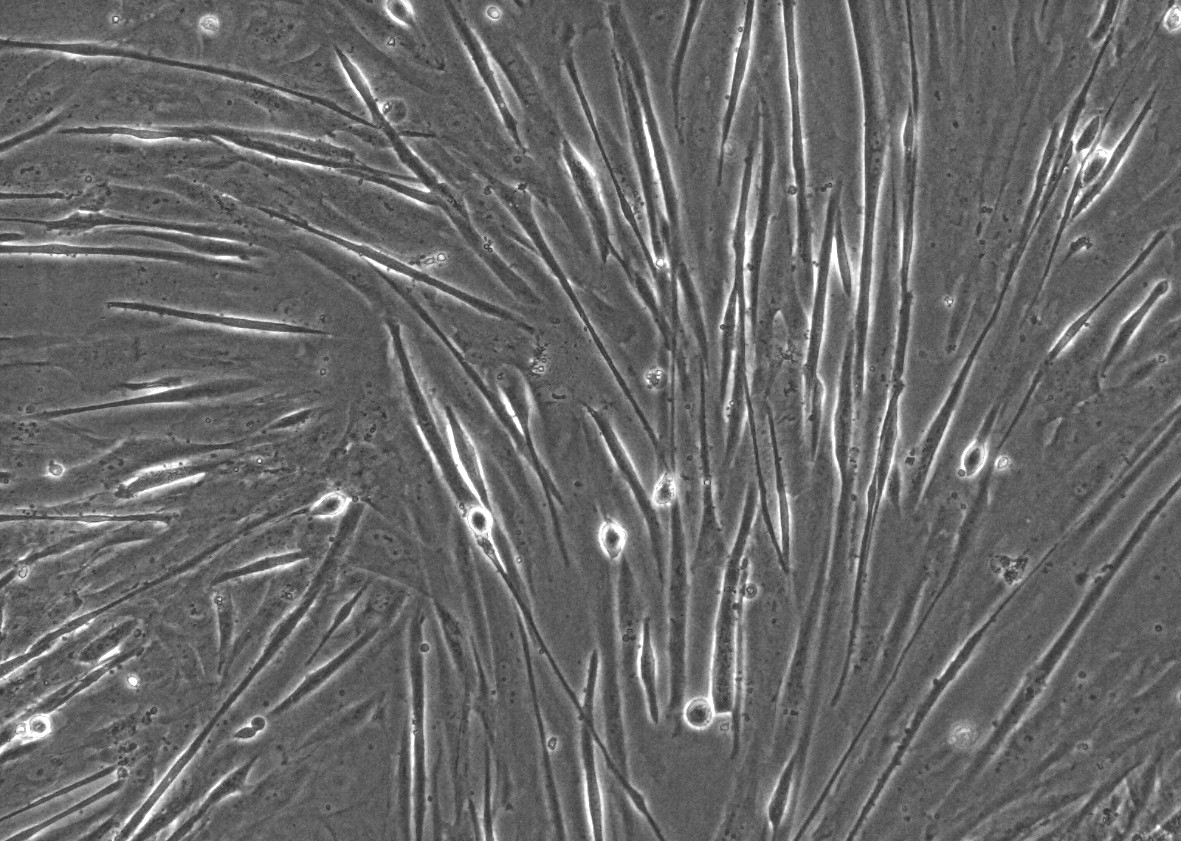
iPSC-derived Myoblasts with Media
Cat.-Nr: ASE-9706
Applied StemCell has developed an efficient integration-free method to differentiate high-quality myoblasts from human iPSCs, with further... Read More
-
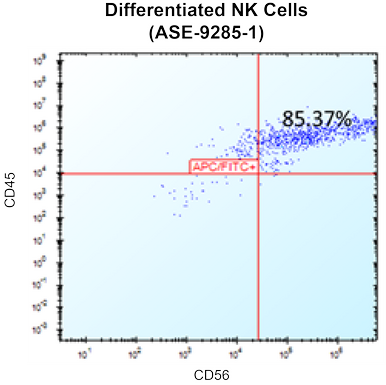
iPSC-Derived Natural Killer (NK) Cells with Media
Cat.-Nr: ASE-9285
Applied StemCell has developed an efficient integration-free, small molecule-based method to differentiate high-quality natural killer (NK)... Read More
-
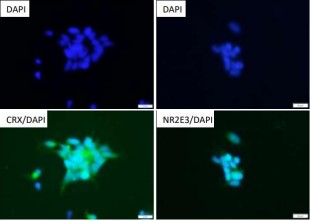
iPSC-derived Photoreceptor Progenitor Cells with Media
Cat.-Nr: ASE-9715
Applied StemCell has developed an efficient integration-free, small molecule-based method to differentiate high-quality retinal pigment epithelium... Read More
-
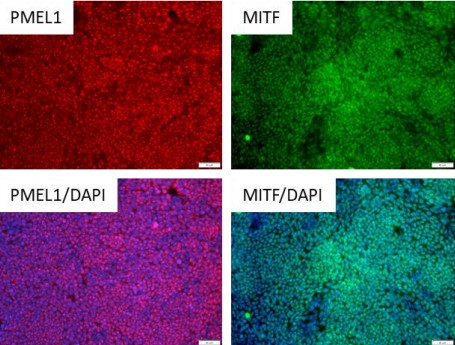
iPSC-derived Retinal Pigment Epithelium (RPE) Cells with Media
Cat.-Nr: ASE-9710
Applied StemCell has developed an efficient integration-free, small molecule-based method to differentiate high-quality retinal pigment epithelium... Read More
-
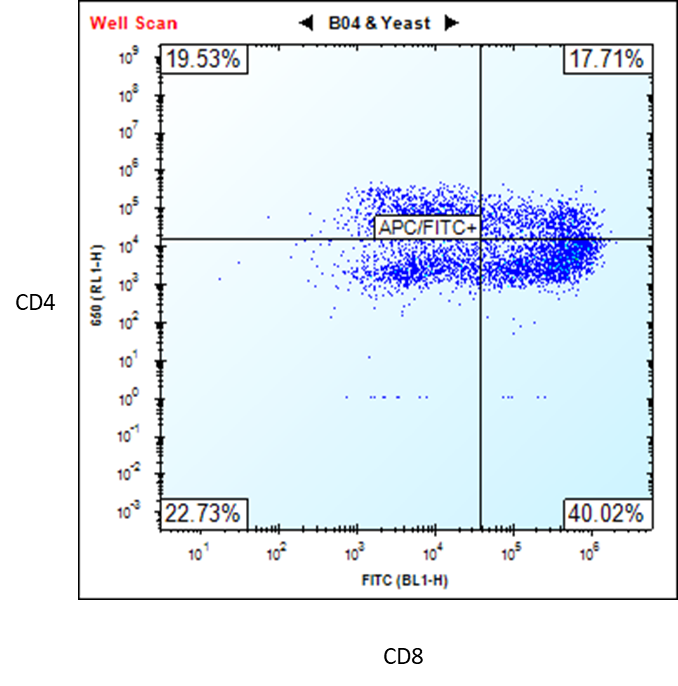
iPSC-derived T Cells with Media
Cat.-Nr: ASE-9720
Applied StemCell has developed an efficient, integration-free, small molecule-based method to differentiate high-quality T cells from human... Read More