Adhesion Molecules & Peptides
Understanding the Role of Adhesion Proteins and Peptides in Biology
Adhesion proteins and adhesion peptides are fundamental components involved in a myriad of biological processes, crucial for cell-cell and cell-matrix interactions, tissue organization, and immune responses. These molecules serve as the glue that holds cells together and facilitates their communication with the extracellular environment.
Prominent Families of Adhesion Proteins: Integrins, Cadherins, and Selectins
Adhesion proteins are typically large, multifunctional molecules located on cell surfaces or within the extracellular matrix. They include prominent families such as integrins, cadherins, and selectins. Integrins are transmembrane receptors that connect the extracellular matrix to the cytoskeleton, enabling cells to adhere, migrate, and transmit signals bidirectionally. Cadherins are calcium-dependent adhesion molecules crucial for cell-cell interactions and tissue morphogenesis. Selectins mediate the initial rolling and adhesion of leukocytes to endothelial cells during inflammation and immune responses.
Adhesion Peptides: Mimicking Adhesive Functions in a Compact Form
In contrast, adhesion peptides are shorter fragments derived from adhesion proteins or engineered to mimic their adhesive functions. These peptides often contain specific amino acid sequences responsible for binding to receptors or ligands on adjacent cells or the extracellular matrix. Due to their smaller size and defined structures, adhesion peptides offer advantages such as improved stability, specificity, and ease of synthesis compared to their protein counterparts.
Biomedical Applications of Adhesion Proteins and Peptides
The biomedical applications of adhesion proteins and peptides are extensive. In tissue engineering, they play a pivotal role in promoting cell adhesion, proliferation, and differentiation. Adhesion proteins are utilized to functionalize biomaterials and scaffolds, providing cues for cell attachment and tissue regeneration. Adhesion peptides, with their precise targeting capabilities, are employed as bioactive coatings on surfaces to enhance cell adhesion and improve the integration of implanted materials with host tissues.
Enhanced Drug Delivery: Leveraging Adhesion Peptides for Targeted Therapies
Furthermore, adhesion peptides have shown promise in drug delivery systems. By conjugating therapeutic agents to adhesion peptides, researchers can enhance targeting specificity, thereby minimizing off-target effects and improving therapeutic efficacy. Additionally, adhesion peptides can be engineered to target specific cell types or tissues, allowing for personalized and targeted drug delivery approaches.
Future Directions: Innovations and Potential in Biomedicine
In conclusion, adhesion proteins and peptides are indispensable components of cellular adhesion and tissue organization, with broad implications in biomedicine. While adhesion proteins provide structural integrity and mediate cellular interactions, adhesion peptides offer versatility and specificity in biomedical applications such as tissue engineering and targeted drug delivery. Continued research in this field holds the potential for innovative therapeutic strategies and advancements in regenerative medicine.
-
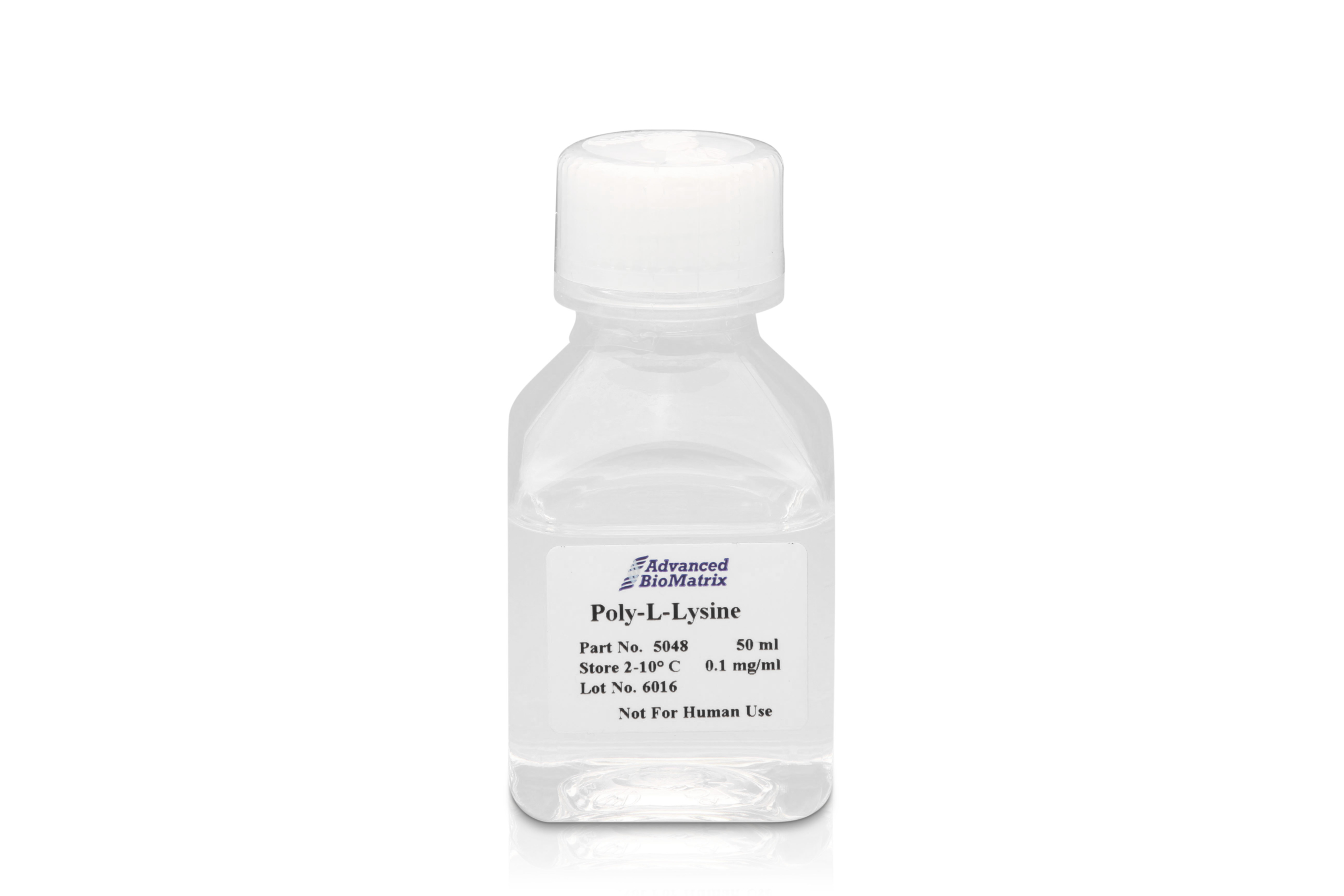
Poly-L-Lysine Hydrobromide, Solution
Cat.-Nr: 5048-50ML
Poly-L-Lysine is a synthetic amino acid chain that is positively charged having one hydrobromide per unit of Lysine. Poly-L-Lysine is widely used as... Read More
-
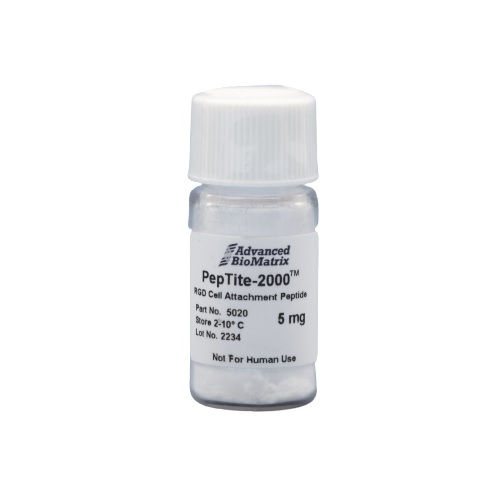
PEPTITE-2000™, RGD Peptide
Cat.-Nr: 5020-5MG
PEPTITE-2000® is a synthetic peptide containing the RGD cell attachment sequence found in fibronectin, vitronectin and many other matrix and serum... Read More
-
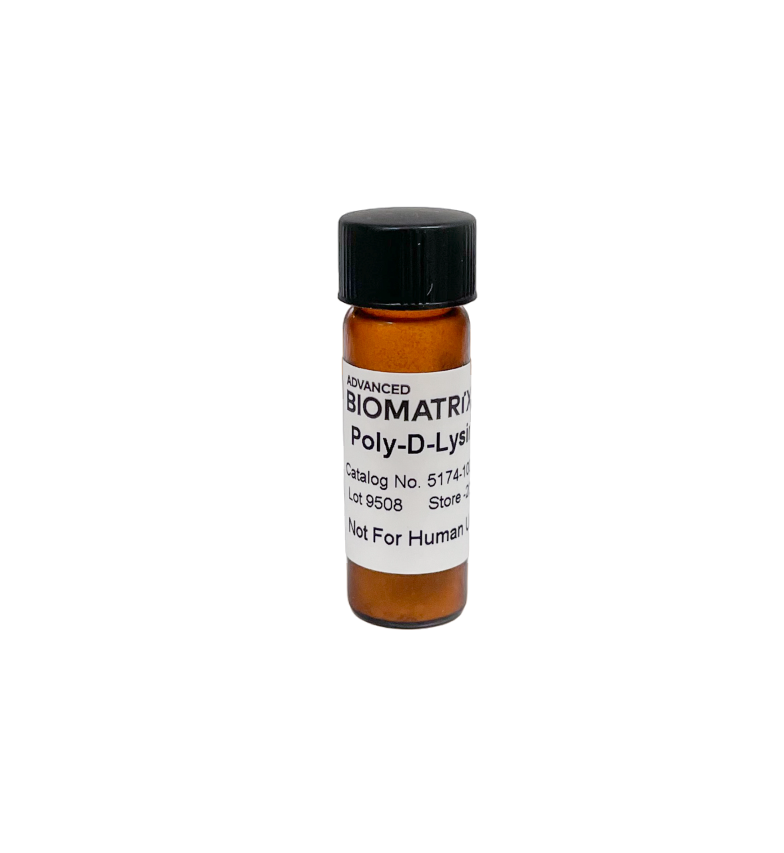
Poly-D-Lysine Hydrobromide, Powder
Cat.-Nr: 5174-100MG
Poly-D-Lysine comes with 100 mg of non-sterile powder. Poly-D-Lysine is a synthetic amino acid chain that is positively charged and widely used as a... Read More
-
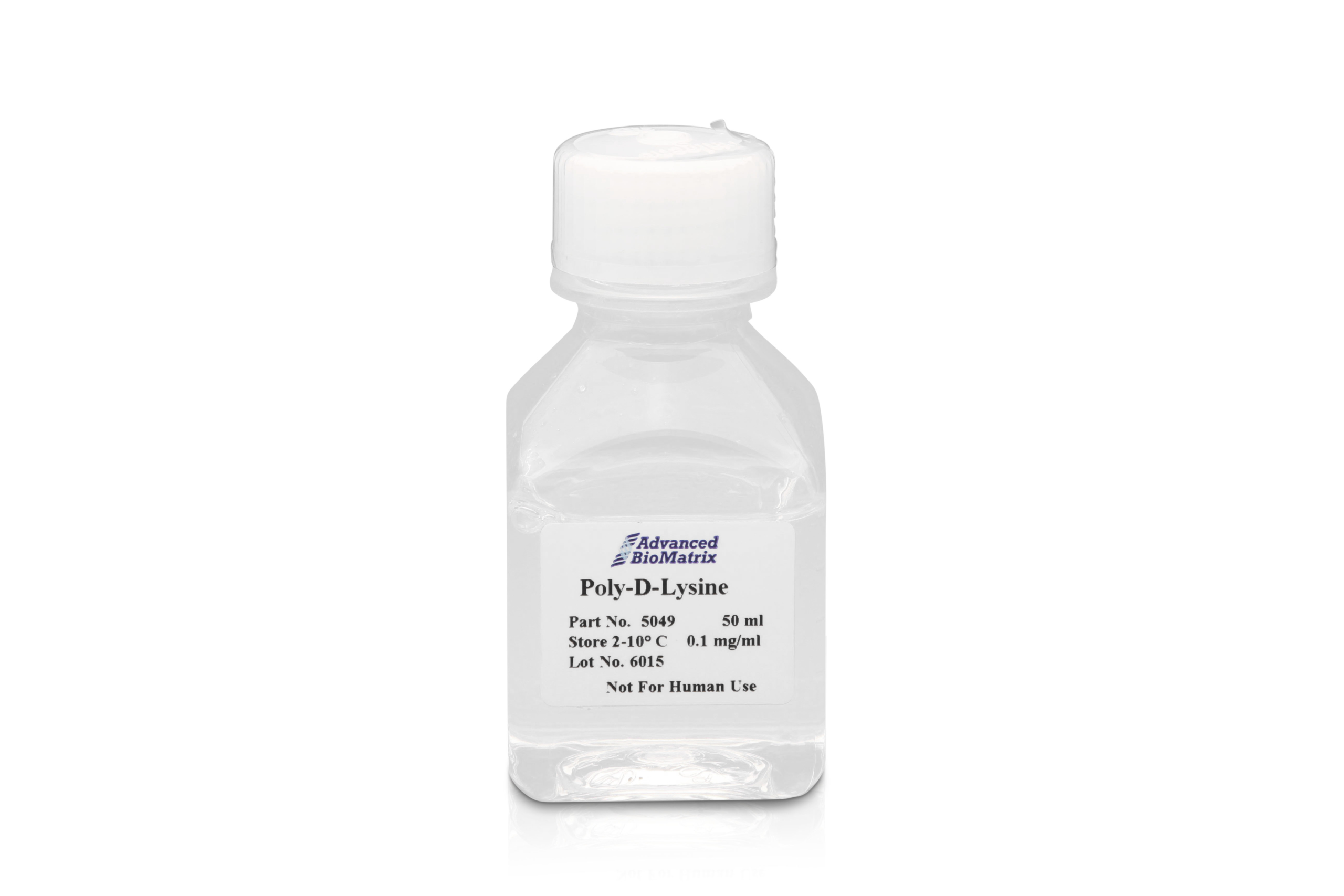
Poly-D-Lysine Hydrobromide, Solution
Cat.-Nr: 5049-50ML
Poly-D-Lysine is a synthetic amino acid chain that is positively charged and widely used as a coating to enhance cell attachment and adhesion to both... Read More
-
Poly-L-Lysine Hydrobromide, Powder
Cat.-Nr: 5173-100MG
Poly-L-Lysine comes with 100 mg of non-sterile powder. Poly-L-Lysine is a synthetic amino acid chain that is positively charged and widely used as a... Read More
-
Poly-L-Ornithine Hydrobromide, Powder
Cat.-Nr: 5172-100MG
Poly-L-Ornithine comes with 100 mg of non-sterile powder. Poly-L-Ornithine is a synthetic amino acid chain that is positively charged and widely used... Read More
-
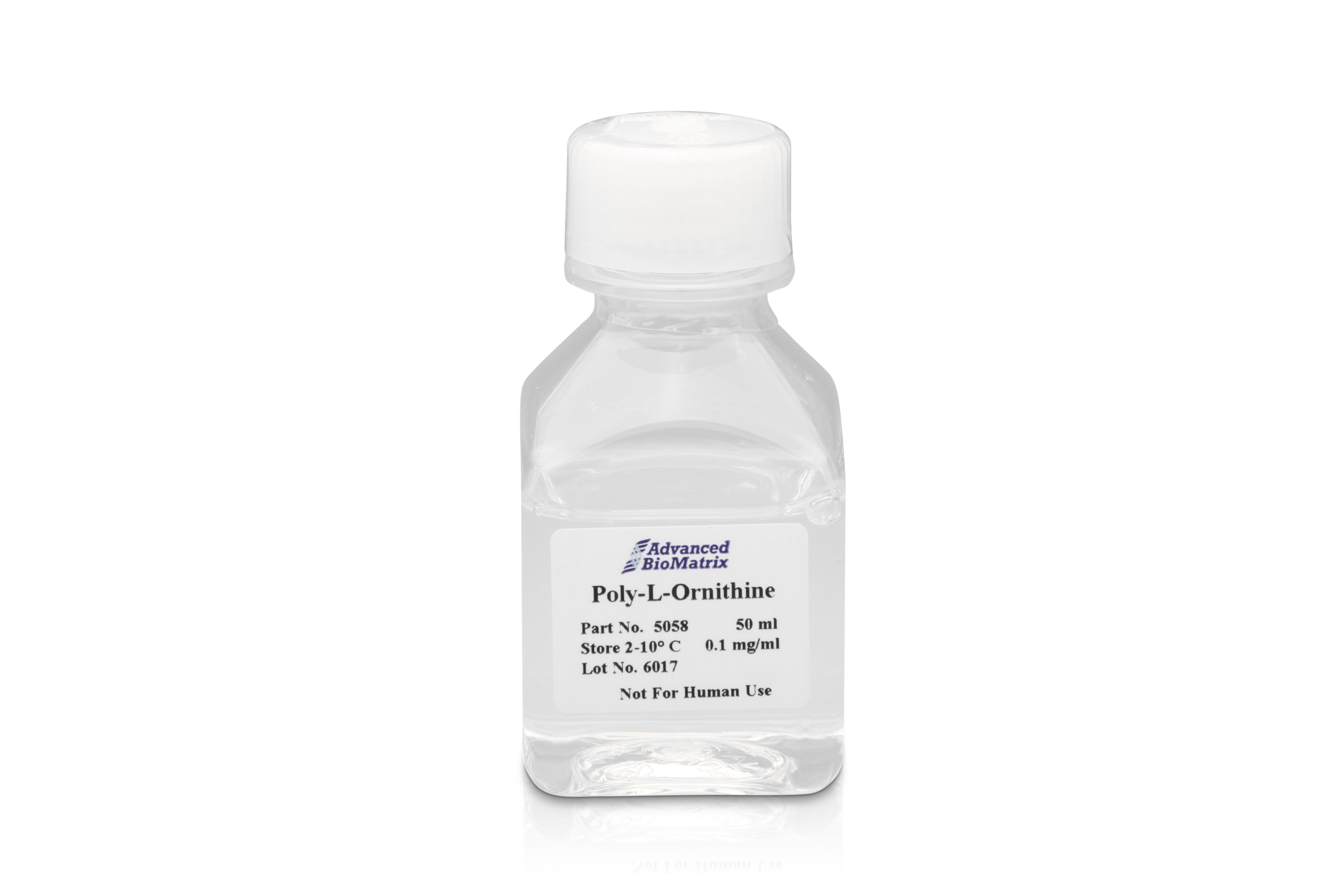
Poly-L-Ornithine Hydrobromide, Solution
Cat.-Nr: 5058-50ML
Poly-L-Ornithine is a synthetic amino acid chain that is positively charged having one hydrobromide per unit of ornithine. Poly-L-Ornithine is widely... Read More